The intellectual fell into the trap of the tribe. Article II By Zakaria Nimr.
Translated from Arabic by Ibrahim Ebeid .February 26/2026
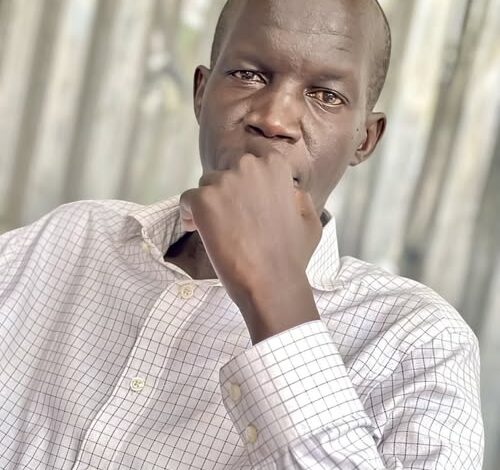
The intellectual fell into the trap of the tribe. Article II
By Zakaria Nimr.
Translated from Arabic by Ibrahim Ebeid .February 26/2026
In modern societies, the intellectual is seen as a critical actor who transcends primary affiliations and engages with public issues with an open mind and moral responsibility. Still, the reality in many fragile societies reveals a worrying pattern: the tribal intellectual, who carries the tools of knowledge but employs them within the framework of the tribe, not in the horizon of the homeland.
A tribal intellectual is not necessarily an ignorant or uneducated person, but rather an individual who possesses a measure of knowledge, language, and the ability to influence, but remains a prisoner of his initial affiliation. His political and social awareness is conditional on the interests of the tribe. His vision of the homeland always passes through the lens of us, and he is an intellectual when he criticizes others, but. He is interested in an authoritarian when he criticizes himself or his tribe. In societies with weak statehood, the tribe stands out as a symbolic and functional alternative. The tribal intellectual found a moral justification for his behavior: defending the tribe is defending survival. However, this justification overlooks the fact that turning the tribe into a political and moral reference undermines the idea of the state itself and prevents the formation of a social contract that transcends narrow identities. One of the worst characteristics of the tribal intellectual is double standards. He raises the slogan of justice and transparency when it comes to others, but he resorts to silence or justification when the tribe is at fault. This duality not only exposes the weakness of intellectual integrity but also empties critical discourse of its meaning, turning it into a tool of conflict rather than reform.
When the tribe is criticized, the tribal intellectual assumes the role of the symbolic sultan. It uses language, history, and collective mythology to betray the critic and strip him of his patriotism. Here, culture becomes a weapon, and the intellectual becomes the Guardian of taboos, not their breaker. This type of intellectual contributes to deepening the social divide. Instead of being a bridge between the different components, the intellectual becomes a barricade. Conflict is reproduced generation after generation, because cultural discourse itself fuels division rather than dismantling it. Patriotism, in the discourse of the tribal intellectual, is not a commitment to public values, but rather a selective loyalty. The homeland is the tribe when it benefits, and the state when it grants privileges. This falsification loses its moral dimension of patriotism and turns it into a slogan for political consumption. A true intellectual is not measured by the amount of knowledge, but by his ability to tell the truth, especially when it is painful for his group. Silence about the tribe’s mistakes is a betrayal of knowledge, before it is a betrayal of the homeland. Without this moral boldness, culture loses its liberating role.
The tribal intellectuals have their roots in socialization, poor critical education, and the absence of the rule of law. When an individual grows up in an environment that rewards loyalty and rewards criticism, belonging becomes a safety tool, not a conscious choice. Redefining the role of the intellectual as a critical actor rather than a representative of a group is an essential step in liberating consciousness from narrow loyalties. The integration of critical thinking into educational curricula, rather than indoctrination and closed identities, contributes to the formation of generations capable of holding women accountable for the axioms. In addition, it encourages inter-tribal writing, grounded in the values of citizenship and justice, as a cultural practice necessary for the reconstruction of the public sphere.
Building independent cultural institutions that protect freedom of criticism is a prerequisite for the revival of cultural roles. Support for professional media that is not subject to tribal loyalties also helps limit distortions in public awareness. The entrenchment of the rule of law, so that the tribe is not a haven from accountability, remains the key to ending the sectarian protection logic. Opening up frank community dialogues about identity and belonging helps to break the silence and fear. Dismantling the discourse of treason and replacing it with a culture of dissent helps calm the public sphere. The recognition that criticism of the tribe from within itself is a condition for development, not an existential threat, represents a fundamental shift in collective consciousness. Overcoming this problem requires intellectual courage, institutional reform, and long-term cultural transformation. Only the intellectual who places the homeland above the tribe, and the truth above loyalty, can contribute to building a just state that accommodates everyone without exception.