الإسكوا: النزاع قد يفاقم انعدام الأمن الغذائي ليطال 5 ملايين شخص إضافي في البلدان العربية

بيان صحافي
الإسكوا: النزاع قد يفاقم انعدام الأمن الغذائي ليطال 5 ملايين شخص إضافي في البلدان العربية
بيروت، 2 نيسان/أبريل 2026–قد يتسبب ارتفاع أسعار الغذاء العالمية بنسبة 20% بوقوع خمسة ملايين شخص إضافي في دائرة انعدام الأمن الغذائي في مختلف البلدان العربية المتوسطة والمنخفضة الدخل. هذا ما تحذّر منه لجنة الأمم المتحدة الاقتصادية والاجتماعية لغربي آسيا (الإسكوا) في دراسة جديدة تشدد فيها على أن الخطر مباشر ومتنامٍ، خصوصًا بالنسبة للبلدان الهشّة والمتأثرة بالنزاعات، ذات الحيز المالي المحدود والمعتمدة على الواردات الغذائية.
وفي الدراسة التي تحمل عنوان “الصراع وتداعياته: تفاقم الآثار والمخاطر على نُظُم الطاقة والمياه والغذاء في المنطقة العربية”، تنذر الإسكوا من أن النزاع المتصاعد في المنطقة يسبب صدمات شديدة ومترابطة في نظم الطاقة والمياه والغذاء التي قد تكون عواقبها مدمّرة على الأمن البشري والاستقرار الاقتصادي.
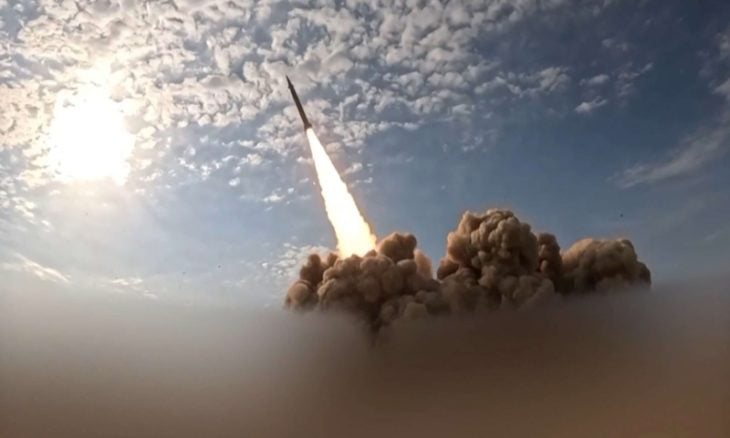
وتسلّط الدراسة الضوء على ما واجهته تجارة الطاقة من تعطيل فوري على صعيد الاقتصاد الكلّي، حيث أصبحت أسواق النفط تحت إجهاد حادّ فيما تراجعت صادرات النفط الخام من الخليج بنسبة تتراوح بين 75 و90% منذ بدء الحرب، وارتفعت أسعار النفط إلى ما يزيد عن 112 دولارًا للبرميل الواحد نتيجة الإغلاق شبه التام لمضيق هرمز. وتؤدي هذه العراقيل إلى زيادة التضخم وتوسيع العجز المالي وارتفاع تكاليف النقل والتأمين بشكل هائل في المنطقة.
كذلك تبرز مخاطر مقلقة على الأمن المائي، حيث تشير الدراسة إلى اعتماد نحو 40 مليون شخص في دول مجلس التعاون الخليجي على مياه التحلية المستخرجة من الخليج، مما يجعلهم أكثر عرضة لأي ضرر قد يصيب البنية التحتية للطاقة أو التحلية، فضلًا عن مخاطر تلوث مياه البحر الناجم عن النزاع. وقد يؤدي استمرار هذه الاضطرابات إلى تدهور الوضع بسرعة وتحوله إلى أزمة إنسانية، في ظل عدم قدرة الأسر على تخزين المياه للحالات الطارئة.

في هذا السياق، قال الأمين التنفيذي للإسكوا بالإنابة مراد وهبه: “تستدعي هذه الأرقام تعاونًا عاجلًا ومنسقًا لحماية سلاسل الإمداد الأساسية، بما يشمل اعتماد أنظمة الإنذار المبكر، وتخزين احتياطات استراتيجية، وتنويع مسارات التجارة، وتسريع الاستثمار في نظم بديلة ومرنة للطاقة والمياه والغذاء”.
وبحسب الدراسة، تواجه النظم الغذائية ضغوطًا متزايدة. فالمنطقة العربية تستورد معظم احتياجاتها من الحبوب، فيما تظل المخزونات محدودة، ولا تكفي لأكثر من ثلاثة أشهر. كذلك، من المتوقع أن يؤدي الارتفاع في أسعار النفط وتعطل طرق الشحن وزيادة تكاليف الأسمدة إلى تفاقم أسعار المواد الغذائية وتكاليف إنتاجها أكثر فأكثر، ما يؤثر سلبًا على الأسر ذات الدخل المحدود والفئات الأكثر عرضة للمخاطر.
وعليه، شدّد وهبه أنّه “من دون تدخل سريع، قد تؤدي الآثار المتراكمة للنزاع إلى تعميق هوّة الفقر والتسبب باضطرابات اجتماعية في البلدان الهشّة، وتقويض التقدّم المحرز في مجال التنمية المستدامة في المنطقة العربية”.
تأتي هذه الدراسة ضمن سلسلة تقارير تصدرها الإسكوا حول تداعيات الصراع، وقد قدّرت الدراسة الأولى خسائر الناتج الاقتصادي العربي بنحو 150 مليار دولار خلال شهر واحد.
***
الإسكوا في سطور:
الإسكوا هي إحدى اللجان الإقليمية الخمس التابعة للأمم المتحدة، تعمل على دعم التنمية الاقتصادية والاجتماعية الشاملة والمستدامة في الدول العربية، وعلى تعزيز التكامل الإقليمي.
للمزيد من المعلومات وللمقابلات:
السيدة مريم سليمان، مسؤولة إعلامية مساعدة
📞 +961 81 769 888 | ✉️ [email protected]
السيدة رانيا حرب، مسؤولة إعلامية مساعدة
📞 +961 70 008 879 | ✉️ [email protected]
Press Release
ESCWA: Conflict Could Push 5 Million more People into Food Insecurity across Arab Countries
Beirut, 2 April 2026 — A 20% increase in global food prices could push an additional 5 million people into food insecurity across Arab middle- and low-income countries, the United Nations Economic and Social Commission for Western Asia (ESCWA) warns in a new policy brief. The report underscores that this risk is immediate and growing, particularly for fragile and conflict-affected countries with limited fiscal space and high dependence on food imports.
The brief, titled “Conflict and its shockwaves: escalating impacts and risks for energy, water and food systems in the Arab region”, cautions that the escalating conflict in the region is triggering severe and interconnected shocks to energy, water and food systems, with potentially devastating consequences for human security and economic stability.
It highlights how disruptions to energy trade have been the most immediate macroeconomic shock. Oil markets are under acute stress, with Gulf hydrocarbon exports falling by 75 to 90% since the start of the war and oil prices surging above $112 per barrel due to the near-closure of the Strait of Hormuz. These disruptions are driving inflation, widening fiscal deficits, and sharply increasing transport and insurance costs across the region.
Water security risks are equally alarming. The brief notes that nearly 40 million people in Gulf Cooperation Council (GCC) countries depend on desalinated water drawn from the Gulf, making them highly vulnerable to any damage to energy or desalination infrastructure, as well as to marine pollution caused by the conflict. Any prolonged disruption could rapidly escalate into a humanitarian crisis, given limited household-level emergency water storage.
“These overwhelming figures entail urgent and coordinated regional action to safeguard critical supply chains,” urged ESCWA Acting Executive Secretary Mourad Wahba. “Such actions include deploying early warning systems, ensuring regional storage of strategic reserves, diversifying trade corridors, and accelerating investment in resilient energy, water and food systems.”
Food systems are already feeling the strain. The Arab region imports most of its cereals, and reserves remain limited, covering just over three months of consumption in recent years. Rising fuel prices, disrupted shipping routes and higher fertilizer costs are expected to further increase food prices and production costs, disproportionately affecting low-income households and vulnerable groups.
“Without swift intervention, the compounding effects of conflict could deepen poverty, fuel social unrest in fragile countries and reverse progress towards sustainable development across the Arab region,” Wahba added.
The brief is the second in a series of studies issued by ESCWA on the shockwaves of the conflict, the first having estimated that Arab economic output would be cut by $150 billion in one month.
****
About ESCWA:
One of five United Nations regional commissions, ESCWA supports inclusive and sustainable economic and social development in Arab States and works on enhancing regional integration.
For more information and to arrange interviews:
Ms. Maryam Sleiman, Public Information Assistant
📞 +961 81 769 888 | ✉️ [email protected]
Ms. Rania Harb, Public Information Assistant
📞 +961 70 008 879 | ✉️ [email protected]